
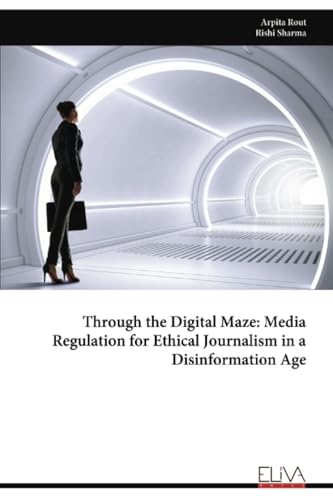
Through the Digital Maze
Uitgelicht

|
36,99 |
Naar shop
|

|
39,10 |
Naar shop
|
| VERGELIJK ALLE AANBIEDERS (2) | ||
 Beschrijving
Bol
The rapid expansion of online content has fundamentally transformed communication but has also introduced significant challenges, particularly in the form of misinformation and deepfakes. These digital threats pose serious risks to ethical journalism, undermining trust in media and distorting public discourse. The role of media regulation as a means of addressing these challenges, aiming to promote ethical practices in the digital age. The focus is on the detrimental effects of misinformation and deepfakes. It defines these phenomena and examines their potential to erode public trust in journalism, using real-world examples to illustrate how they can manipulate public opinion. The negative impact of such manipulation on democratic processes and social discourse is emphasized. The importance of media literacy in empowering citizens to navigate the complex digital information landscape. It explores strategies for educating the public on how to identify manipulated content, critically evaluate online information, and recognize disinformation tactics. The role of media organizations in fostering media literacy is highlighted, with an emphasis on educational programs, fact-checking initiatives, and responsible reporting practices.The discussion shifts to the complexities of online journalism, defining media regulation and its various forms, including self-regulation, industry codes, and government intervention. The critical tension between free speech, a cornerstone of democracy, and the need for accountability among online content creators. It evaluates existing and proposed regulatory frameworks, assessing their effectiveness in combating misinformation and promoting ethical journalism while acknowledging their potential drawbacks. International case studies are analyzed to draw lessons from successful and unsuccessful attempts at balancing free speech with accountability. Understanding the legal landscape is another crucial aspect explored in the paper. It discusses the complexities of libel, slander, and defamation in the digital age, where content is easily share


 Beschrijving
(2)
Beschrijving
(2)
The rapid expansion of online content has fundamentally transformed communication but has also introduced significant challenges, particularly in the form of misinformation and deepfakes. These digital threats pose serious risks to ethical journalism, undermining trust in media and distorting public discourse. The role of media regulation as a means of addressing these challenges, aiming to promote ethical practices in the digital age. The focus is on the detrimental effects of misinformation and deepfakes. It defines these phenomena and examines their potential to erode public trust in journalism, using real-world examples to illustrate how they can manipulate public opinion. The negative impact of such manipulation on democratic processes and social discourse is emphasized. The importance of media literacy in empowering citizens to navigate the complex digital information landscape. It explores strategies for educating the public on how to identify manipulated content, critically evaluate online information, and recognize disinformation tactics. The role of media organizations in fostering media literacy is highlighted, with an emphasis on educational programs, fact-checking initiatives, and responsible reporting practices.The discussion shifts to the complexities of online journalism, defining media regulation and its various forms, including self-regulation, industry codes, and government intervention. The critical tension between free speech, a cornerstone of democracy, and the need for accountability among online content creators. It evaluates existing and proposed regulatory frameworks, assessing their effectiveness in combating misinformation and promoting ethical journalism while acknowledging their potential drawbacks. International case studies are analyzed to draw lessons from successful and unsuccessful attempts at balancing free speech with accountability. Understanding the legal landscape is another crucial aspect explored in the paper. It discusses the complexities of libel, slander, and defamation in the digital age, where content is easily share
AmazonPages: 42, Paperback, Eliva Press
 Productspecificaties
 Prijshistorie
* Prijshistorie bevat geen data van Amazon.
Prijzen voor het laatst bijgewerkt op:
 Gerelateerde resultaten


