
the Egyptian Book of Dead
Uitgelicht

|
12,93 |
Naar shop
|

|
18,95
13,50 |
Naar shop
|
| VERGELIJK ALLE AANBIEDERS (2) | ||
 Beschrijving
Bol
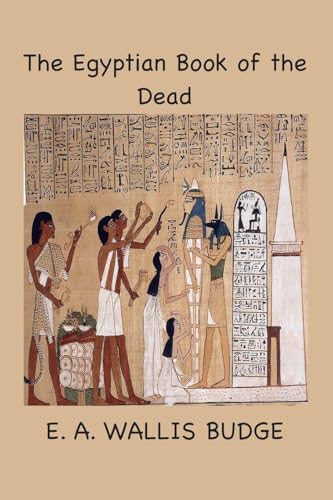
The Book of the Dead, which was placed in the coffin or burial chamber of the deceased, was part of a tradition of funerary texts which includes the earlier Pyramid Texts and Coffin Texts, which were painted onto objects, not written on papyrus. Some of the spells included in the book were drawn from these older works and date to the 3rd millennium BC. Other spells were composed later in Egyptian history, dating to the Third Intermediate Period of Egypt (11th to 7th centuries BC). A number of the spells which make up the Book continued to be separately inscribed on tomb walls and sarcophagi, as the spells from which they originated always had been.There was no single or canonical Book of the Dead. The surviving papyri contain a varying selection of religious and magical texts and vary considerably in their illustration. Some people seem to have commissioned their own copies of the Book of the Dead, perhaps choosing the spells they thought most vital in their own progression to the afterlife. The Book of the Dead was most commonly written in hieroglyphic or hieratic script on a papyrus scroll, and often illustrated with vignettes depicting the deceased and their journey into the afterlife.The finest extant example of the Egyptian in antiquity is the Papyrus of Ani. Ani was an Egyptian scribe. It was discovered in Luxor in 1888 by Egyptians trading in illegal antiquities. It was acquired by E. A. Wallis Budge, as described in his autobiography By Nile and Tigris in 1888 and was taken to the British Museum, where it remains.


 Beschrijving
(2)
Beschrijving
(2)
The Book of the Dead, which was placed in the coffin or burial chamber of the deceased, was part of a tradition of funerary texts which includes the earlier Pyramid Texts and Coffin Texts, which were painted onto objects, not written on papyrus. Some of the spells included in the book were drawn from these older works and date to the 3rd millennium BC. Other spells were composed later in Egyptian history, dating to the Third Intermediate Period of Egypt (11th to 7th centuries BC). A number of the spells which make up the Book continued to be separately inscribed on tomb walls and sarcophagi, as the spells from which they originated always had been.There was no single or canonical Book of the Dead. The surviving papyri contain a varying selection of religious and magical texts and vary considerably in their illustration. Some people seem to have commissioned their own copies of the Book of the Dead, perhaps choosing the spells they thought most vital in their own progression to the afterlife. The Book of the Dead was most commonly written in hieroglyphic or hieratic script on a papyrus scroll, and often illustrated with vignettes depicting the deceased and their journey into the afterlife.The finest extant example of the Egyptian in antiquity is the Papyrus of Ani. Ani was an Egyptian scribe. It was discovered in Luxor in 1888 by Egyptians trading in illegal antiquities. It was acquired by E. A. Wallis Budge, as described in his autobiography By Nile and Tigris in 1888 and was taken to the British Museum, where it remains.
AmazonPages: 282, Paperback, Classic Wisdom Reprint
 Productspecificaties
 Prijshistorie
* Prijshistorie bevat geen data van Amazon.
Prijzen voor het laatst bijgewerkt op:
 Gerelateerde resultaten


