
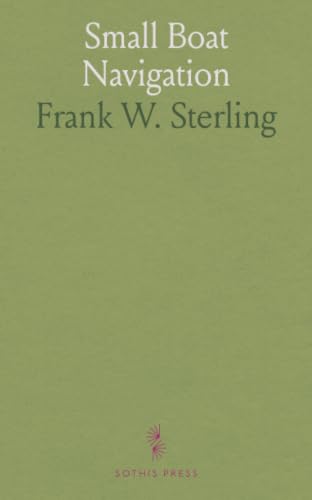
Small Boat Navigation
Uitgelicht

|
23,95 |
Naar shop
|

|
23,95 |
Naar shop
|

|
33,99 |
Naar shop
|
| VERGELIJK ALLE AANBIEDERS (3) | ||
 Beschrijving
Bol
This book offers a comprehensive exploration into the fundamental aspects of small boat navigation, shedding light on the intricacies of piloting, dead reckoning, and the foundational principles of nautical astronomy. Through a meticulous examination of navigation as both a science and an art form, the author navigates readers through historical practices and theoretical knowledge essential for understanding how sailors have historically charted their courses across the world's oceans. By focusing on key navigational units such as the statute mile, geographical or nautical mile, and concepts like latitude and longitude, this guide presents an in-depth analysis that is as informative as it is engaging. Positioned within the broader context of maritime history and exploration, the book delves into thematic depths concerning human interaction with the sea's vast expanse. It discusses how navigational techniques have evolved over centuries, reflecting humanity's enduring quest to understand and traverse the earths waters. The text is rich with ideas about the relationship between humans and their environment, emphasizing the critical role of navigation in maritime ventures. Concluding with an insightful examination of navigation's significance beyond mere travel - highlighting its role in shaping civilizations through trade routes, cultural exchanges, and military strategy - this book encapsulates the profound impact that mastering oceanic navigation has had on global history. This narrative makes it an essential read for anyone fascinated by sailing, maritime history, or navigation itself.


 Beschrijving
(2)
Beschrijving
(2)
This book offers a comprehensive exploration into the fundamental aspects of small boat navigation, shedding light on the intricacies of piloting, dead reckoning, and the foundational principles of nautical astronomy. Through a meticulous examination of navigation as both a science and an art form, the author navigates readers through historical practices and theoretical knowledge essential for understanding how sailors have historically charted their courses across the world's oceans. By focusing on key navigational units such as the statute mile, geographical or nautical mile, and concepts like latitude and longitude, this guide presents an in-depth analysis that is as informative as it is engaging. Positioned within the broader context of maritime history and exploration, the book delves into thematic depths concerning human interaction with the sea's vast expanse. It discusses how navigational techniques have evolved over centuries, reflecting humanity's enduring quest to understand and traverse the earths waters. The text is rich with ideas about the relationship between humans and their environment, emphasizing the critical role of navigation in maritime ventures. Concluding with an insightful examination of navigation's significance beyond mere travel - highlighting its role in shaping civilizations through trade routes, cultural exchanges, and military strategy - this book encapsulates the profound impact that mastering oceanic navigation has had on global history. This narrative makes it an essential read for anyone fascinated by sailing, maritime history, or navigation itself.
AmazonPages: 150, Paperback, Sothis Press
 Productspecificaties
 Prijshistorie
* Prijshistorie bevat geen data van Amazon, Amazon Marketplace.
Prijzen voor het laatst bijgewerkt op:
 Gerelateerde resultaten


