
Reframing the Long 1960s on British Screens
Uitgelicht
|
104,40 |
Naar shop
|
|
110,24 |
Naar shop
|
|
110,24 |
Naar shop
|
Beschrijving
Bol
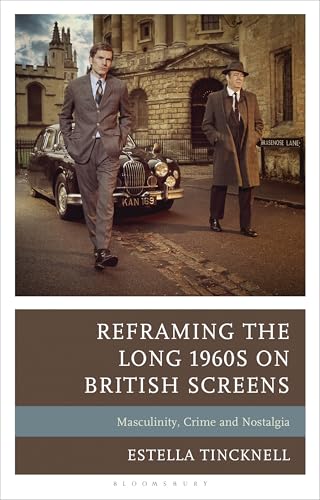
Estella Tincknell contends that our understanding of "the long 1960s" is marked primarily by tensions between nostalgic myths of masculinity, power and whiteness, exploring both historic and modenr interpretations that challenge these dominant narratives. In Reframing the Long 1960s Estella Tincknell explores the way British crime films and television series made during or about that extended decade have been marked by ongoing tensions between nostalgic myths of masculinity, power and whiteness and attempts to challenge or transform those dominant narratives.Tincknell blends cultural analysis and original research with close reading to examine a wide variety of crime subgenres from police procedurals and heist films to gangster narratives and thrillers, comparing the approaches of texts such as Z-Cars (1962-1978), Robbery (1967), Get Carter (1971) and The Sweeney (1975–1978) with those of period dramas aimed at twenty-first century audiences, including The Great Train Robbery (2013), Legend (2015), The Trial of Christine Keeler (2019) and Endeavour (2012–2023). Tincknell identifies the important intersections between text, genre, nostalgia and popular memory as she traces how persistent myths about crime and criminality—and about “the long 1960s” as a defining period for British cultural identity—have been represented and recirculated.
AmazonPages: 256, Hardcover, Bloomsbury Academic
Prijshistorie
* Prijshistorie bevat geen data van Amazon, Amazon Marketplace.
Prijzen voor het laatst bijgewerkt op: